PRP Skin Treatment in Seoul: Is It Effective?
PRP Skin Treatment in Seoul: Is It Effective?
Popularly known worldwide as the "Vampire Facial," Platelet-Rich Plasma (PRP) therapy has experienced a massive resurgence in Seoul's elite dermatology clinics. While once viewed as a simple trend, Korean medical technology has elevated PRP into a highly validated scientifically backed regenerative treatment. For international patients looking to repair sun damage, eliminate fine lines, and speed up acne scar recovery using their body’s own natural healing mechanisms, PRP in Seoul offers a powerful biological solution.
1. The Science of Autologous Growth Factors
The core effectiveness of PRP lies in the word autologous, meaning the treatment is derived entirely from your own body, making it 100% natural.
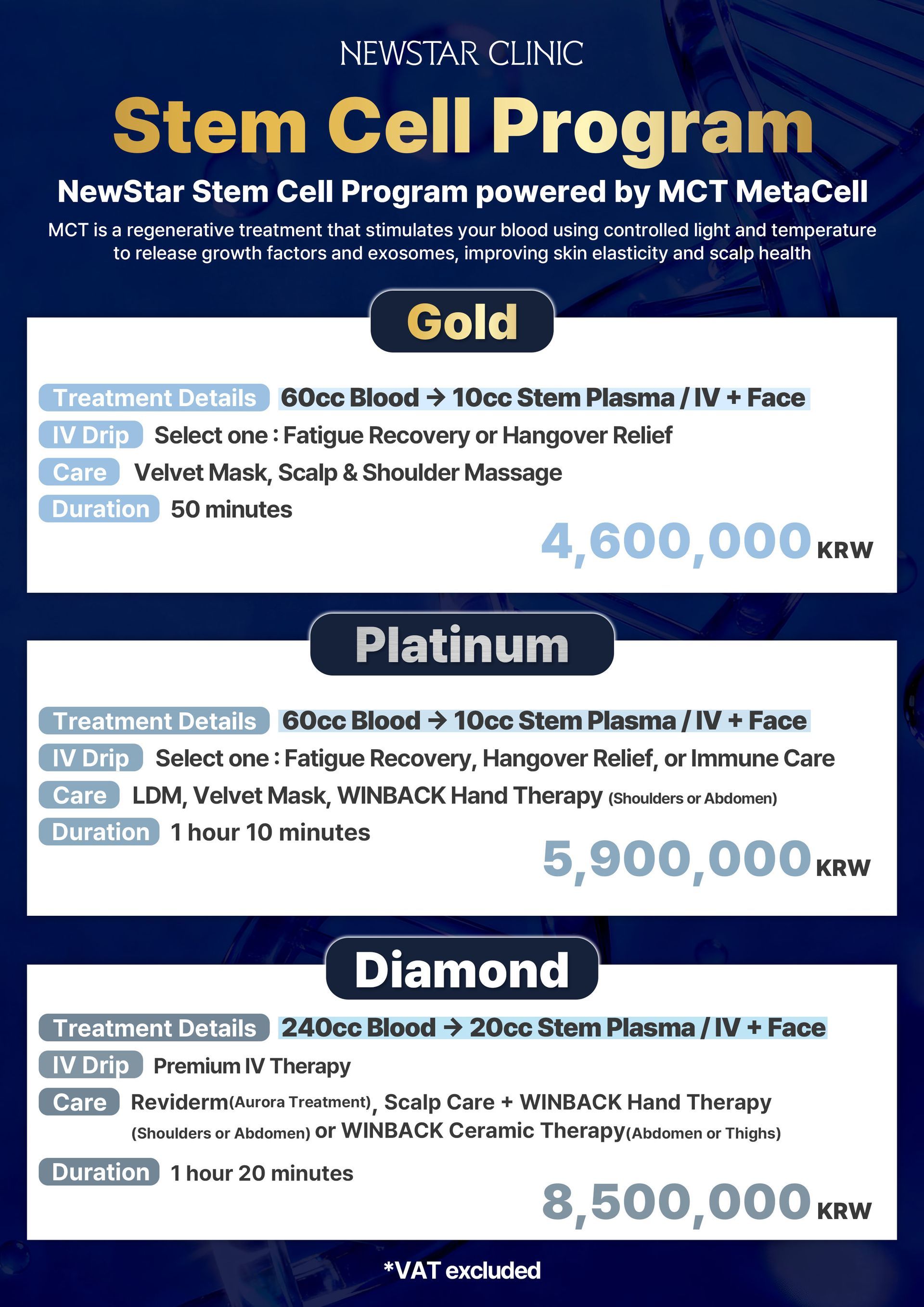
- The Extraction: A small sample of your blood is drawn on-site and placed into a specialized medical centrifuge machine.
- The Separation: The blood is spun at high speeds to separate the red blood cells from the plasma, creating a golden fluid packed with a highly concentrated dose of platelets.
- The Healing Cascade: These platelets contain hundreds of specialized proteins called growth factors (such as PDGF and TGF-beta) that trigger rapid cell division, tissue repair, and fresh collagen production when reintroduced to the skin.
2. Advanced Separation Systems in Seoul Clinics
The effectiveness of a PRP treatment depends entirely on the concentration of viable platelets in the final serum. This is where Seoul clinics hold a massive technological edge.
- Premium Kit Technology: Top-tier clinics in Gangnam reject standard laboratory test tubes, which often yield low platelet counts and high contamination risks.
- High-Concentration Centrifuges: They utilize advanced, FDA-cleared separation kits (such as the Y-Cell-Bio system) designed to extract up to 7 to 9 times the baseline platelet concentration found in normal blood.
- Maximum Viability: This high-density extraction ensures that the growth factors remain highly active and potent, drastically increasing the overall effectiveness of the skin reset.
3. Target Concerns: Where PRP Excels
PRP is not a standard hydrating filler; it is an active skin-density builder that excels at treating complex structural damage.
- Texture and Fine Lines: It is exceptionally effective for smoothing out crinkly, crepey skin texture, particularly around the delicate under-eye area and the neck.
- Pigmentation and Sun Damage: The cellular turnaround triggered by the growth factors helps break up stubborn melasma and sun spots, restoring an even, healthy tone.
- Scar Revision: For patients struggling with deep atrophic acne scars, PRP accelerates tissue remodeling, plumbing up the skin matrix from deep within.
4. The Synergy Protocol: Laser and Microneedling Combinations
In Seoul's high-tech aesthetic market, PRP is rarely performed as a standalone injection. Instead, doctors use it to maximize the results of energy-based devices.
- Fraxel and Pico Pairing: Immediately following an intense fractional laser session, the doctor will blanket the face with your custom PRP serum.
- RF Microneedling Integration: Clinics routinely feed PRP into the micro-channels created by Potenza or Secret RF microneedling devices.
- The Speed of Recovery: Because PRP is a natural healing accelerator, applying it after a laser session cuts traditional downtime (redness, swelling) by over 50% while multiplying the collagen-building outcome.
5. Zero Risk of Allergic Reaction
For international travelers who have highly sensitive skin or are terrified of adverse reactions to synthetic injectables, PRP is the safest choice on the menu.
- Biocompatibility: Because the serum is created using your own blood, there is absolutely zero risk of allergic reactions, rejection, or foreign-body granulomas (hard lumps).
- Pure Formulation: There are no chemical cross-linkers or synthetic preservatives added, making it a pure, biocompatible treatment.
- The Sensitive Skin Solution: It is highly recommended for individuals whose skin is too reactive or fragile to tolerate intense chemical peels or thick synthetic skin boosters.
6. Real Cost Breakdown in Medical Districts
Despite the high-tech centrifuge systems and premium kits used in Gangnam and Myeongdong, the cost of PRP in Seoul remains highly competitive globally.
- Price Per Session: A standard standalone PRP session ranges from ₩300,000 to ₩600,000 ($220 – $440 USD).
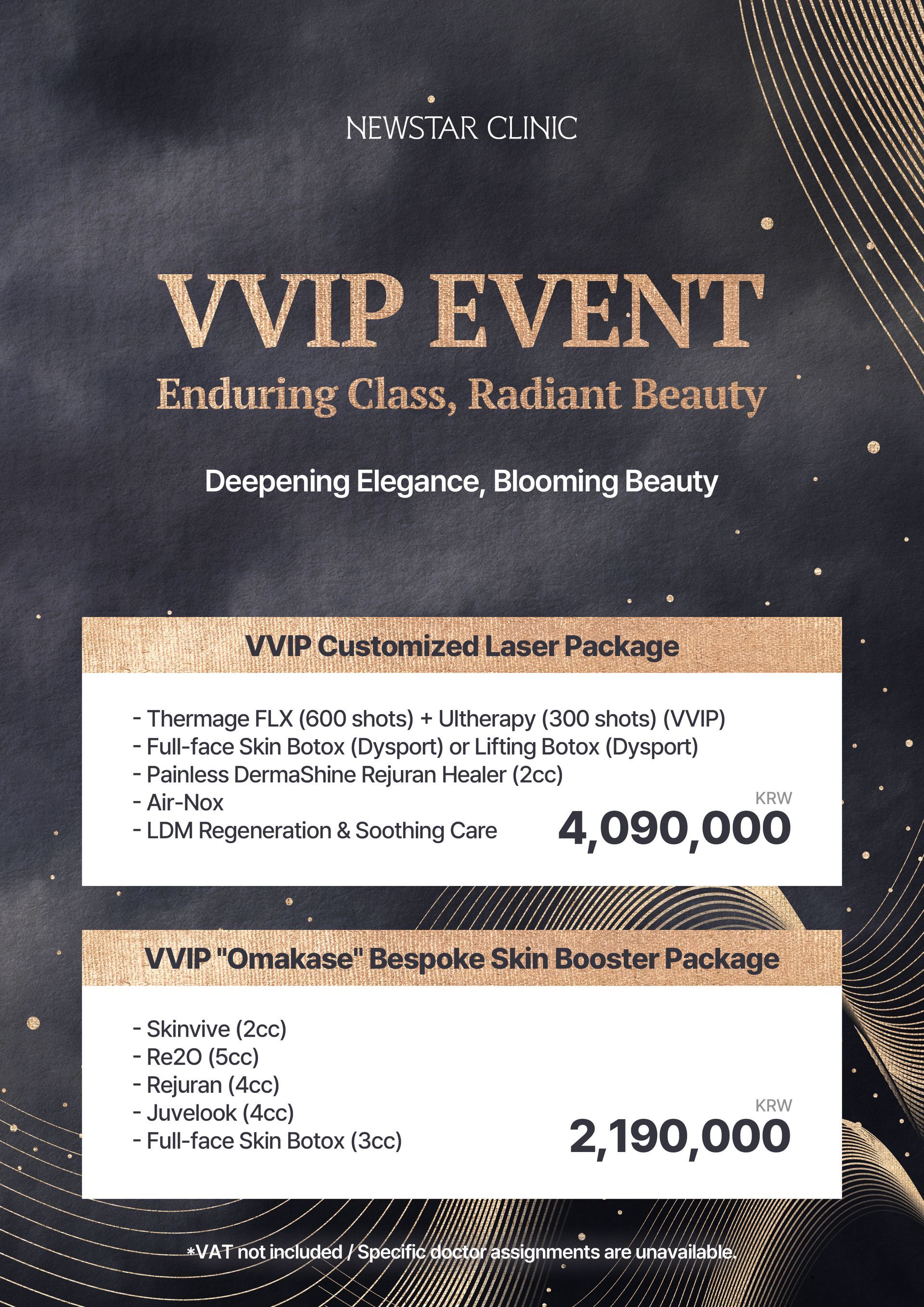
- Laser Combination Packages: When bundled as an aftercare treatment with advanced fractional lasers, the package typically ranges from ₩500,000 to ₩900,000.
- The Value Advantage: Considering that a single "Vampire Facial" can easily cost upwards of $800 to $1,200 USD in New York or London, getting the treatment in Seoul represents a massive financial saving for medical tourists.
7. Managing Expectations and the Treatment Timeline
Because PRP works by stimulating your body's natural cellular biology, it requires a clear timeline and realistic expectations.
- The Initial Window: For 24 to 48 hours post-treatment, you may experience minor swelling or pinpoint bruising at the injection sites, which can be easily managed with a soothing cream.
- The Evolution: You will begin to notice a clearer, more luminous skin tone within 1 to 2 weeks, but the deep structural tightening and scar-plumping effects peak at around 2 to 3 months.
- The Recommended Course: For long-term anti-aging benefits that endure for 10 to 12 months, Seoul dermatologists recommend an initial protocol of 3 sessions spaced 4 weeks apart.
Final Thoughts
PRP Skin Treatment in Seoul is highly effective, provided it is performed using premium concentration kits and executed by an experienced dermatologist. By harnessing the raw, regenerative power of your own blood, it delivers a holistic and incredibly safe structural upgrade to your skin matrix. For the global traveler seeking an authentic K-Beauty glow without the risks of synthetic materials or prolonged social downtime, a customized PRP laser package in Gangnam is a scientifically proven investment in your skin's biological future.