Korean vs Western Hair Loss Treatments
Korean vs Western Hair Loss Treatments
While the ultimate goal of hair restoration remains the same globally, the approach to achieving it varies significantly between Korea and the West. Seoul’s medical culture emphasizes a "preventative and regenerative" philosophy, often blending advanced technology with holistic scalp care. Understanding these subtle but impactful differences can help international visitors choose the right path for their specific hair loss concerns.
1. The Focus on Early Intervention
Western treatments for hair loss are often approached through a reactive lens, frequently focusing on clinical interventions once hair thinning becomes clinically visible. In contrast, Korean clinics prioritize early, proactive management.
- Best for: Individuals noticing minimal thinning or early receding hairlines who want to prevent progression.
- The Philosophy: Korean medicine views hair loss as a gradual process where the scalp’s health is the most critical variable to maintain long-term.
- Result: A consistent, long-term focus on scalp wellness that aims to retain natural hair density for as long as possible.
2. Holistic "Soil" Management
A defining characteristic of the Korean approach is the "soil management" theory—treating the scalp environment as the foundation for growth. Western methods often rely more heavily on systemic medications like Minoxidil or Finasteride.
- Best for: Addressing scalp inflammation, sebum imbalance, and poor circulation alongside medical treatments.
- The Strategy: Korean protocols treat the scalp as an extension of the face, incorporating deep cleansing, detoxification, and hydration to ensure a healthy "growing medium."
- Result: A resilient, healthy scalp that naturally supports stronger hair development.
3. Integration of Regenerative Technology
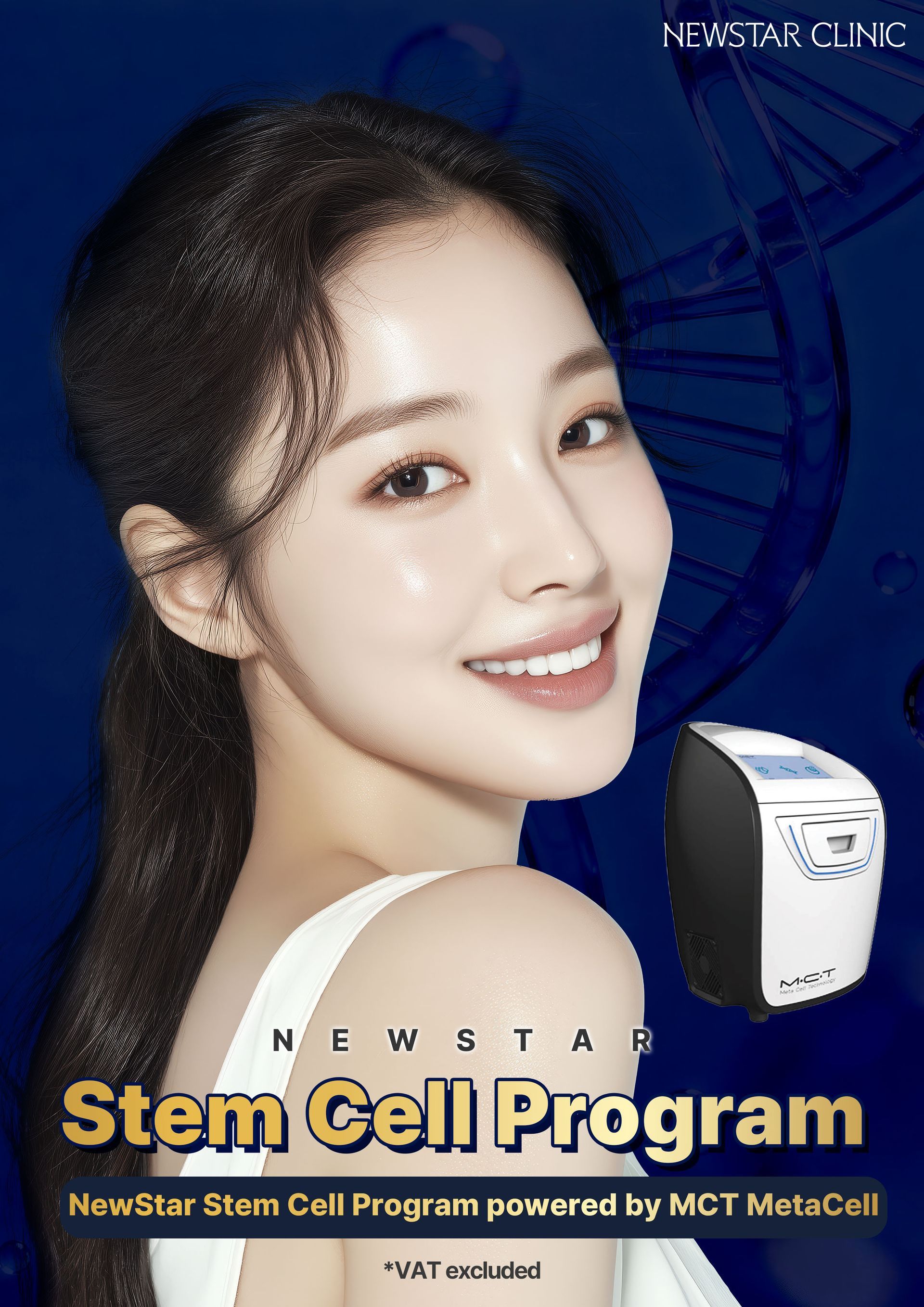
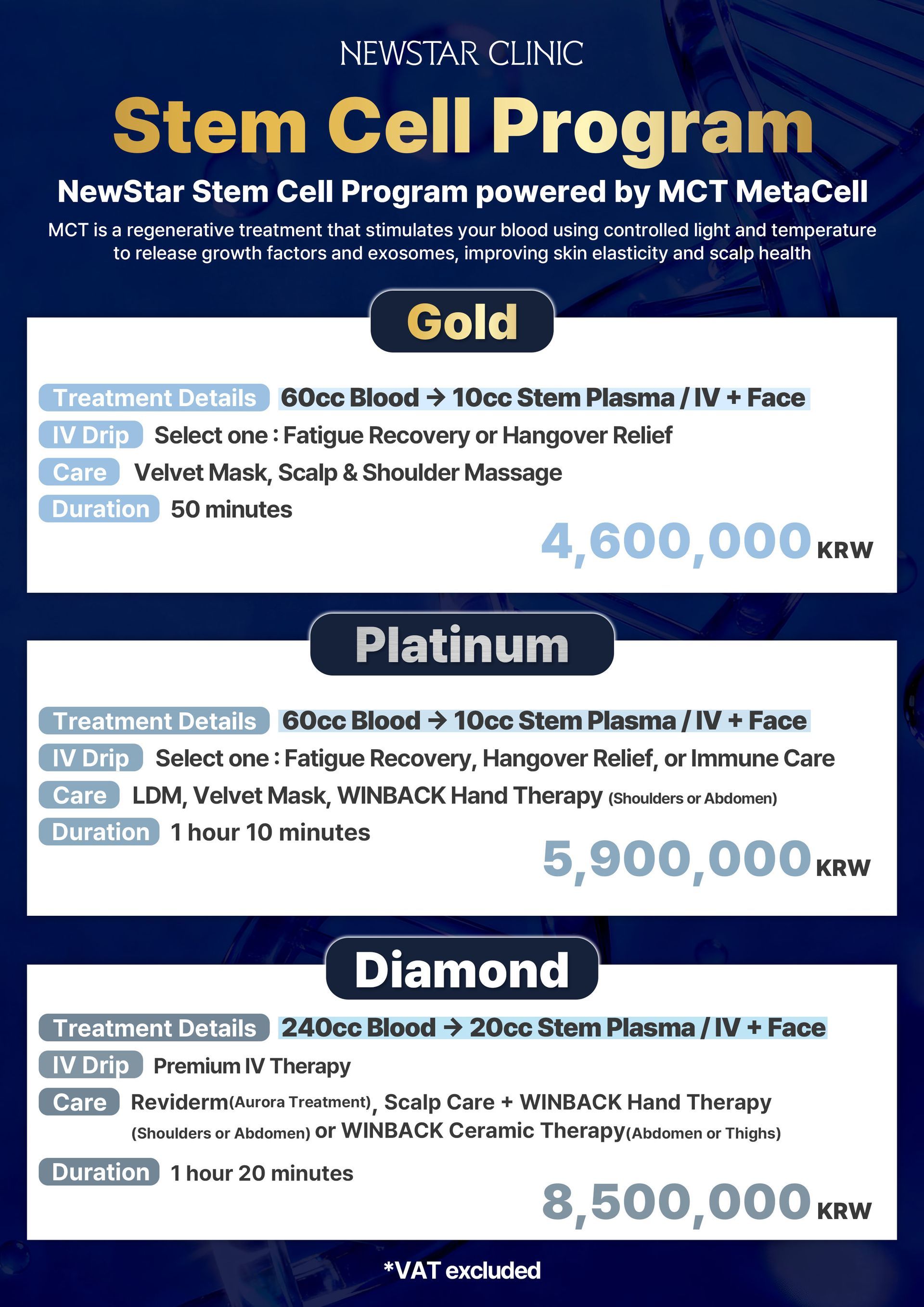
While Western clinics use PRP, the scope of regenerative options in Seoul is often broader. Korean clinics frequently integrate Exosomes, stem-cell extracts, and growth-factor cocktails as a standard part of hair therapy.
- Best for: Patients seeking non-surgical, bio-regenerative options to boost follicle strength.
- The Technology: Korean doctors often combine these biological therapies with advanced microneedling or ultrasonic infusion devices to maximize nutrient penetration.
- Result: A more robust, multi-faceted approach to stimulating dormant follicles and increasing hair shaft diameter.
4. Precision Diagnostic Tools
Both regions use technology, but Seoul clinics often incorporate microscopic diagnostic monitoring as an integral part of every follow-up visit. This provides a level of visual, data-driven feedback that is less common in standard Western dermatological practice.
- Best for: Tracking incremental progress and adjusting treatment protocols in real-time.
- The Benefit: It builds a clear, visible record of your hair’s density changes, allowing the doctor to optimize your treatment plan with scientific precision.
- Result: Greater peace of mind through visible, documented improvements in scalp and hair health.
5. Synergy of Medical and Aesthetic Care
In Western practice, hair loss is often handled by a specialist separate from cosmetic dermatologists. In Korea, hair restoration is seamlessly integrated into comprehensive aesthetic beauty routines.
- Best for: Patients who want to combine hair restoration with overall facial rejuvenation and scalp wellness.
- The Workflow: A single clinic visit in Seoul can address hair density, scalp detoxification, and skin tone simultaneously, creating a unified aesthetic outcome.
- Result: An efficient, highly convenient experience that treats your total appearance under one roof.
6. The Approach to Hair Transplantation
Western hair transplants are world-class, but Korean surgeons are particularly renowned for their meticulous, high-density artistry and hairline design.
- Best for: Achieving a completely natural, soft-looking hairline that mimics natural hair growth patterns.
- The Artistry: Korean surgical teams focus on "angle and direction" precision, often using microscopic extraction and implantation tools that minimize the visual impact of the procedure.
- Result: A restoration that is virtually undetectable, emphasizing dense, realistic coverage over mere volume.
7. Patient-Centered Service and Accessibility
One of the most notable differences for international patients is the service model. Seoul’s clinics are highly competitive, offering premium care, dedicated interpretation, and streamlined post-op support at more competitive values.
- Best for: International visitors looking for high-end, luxury care with minimal logistical friction.
- The Experience: The Korean model is highly service-oriented, providing comprehensive post-treatment recovery support and clear communication throughout the entire process.
- Value: Patients often find that the combination of premium, updated technology and personalized service provides a higher level of overall satisfaction and comfort.
Final Thoughts
Choosing between Korean and Western hair loss treatments depends on your personal philosophy. While Western medicine offers reliable, time-tested systemic solutions, the Korean approach excels in preventative, regenerative, and holistic scalp care. By merging high-tech diagnostic precision with a meticulous focus on scalp wellness, Seoul offers a uniquely integrated experience that is both medically effective and deeply aesthetic. For those seeking a comprehensive, tech-driven, and highly supported journey, Korea provides an unparalleled path to hair restoration and long-term scalp health.