Cost of Skin Treatments in Korea vs USA
Cost of Skin Treatments in Korea vs USA
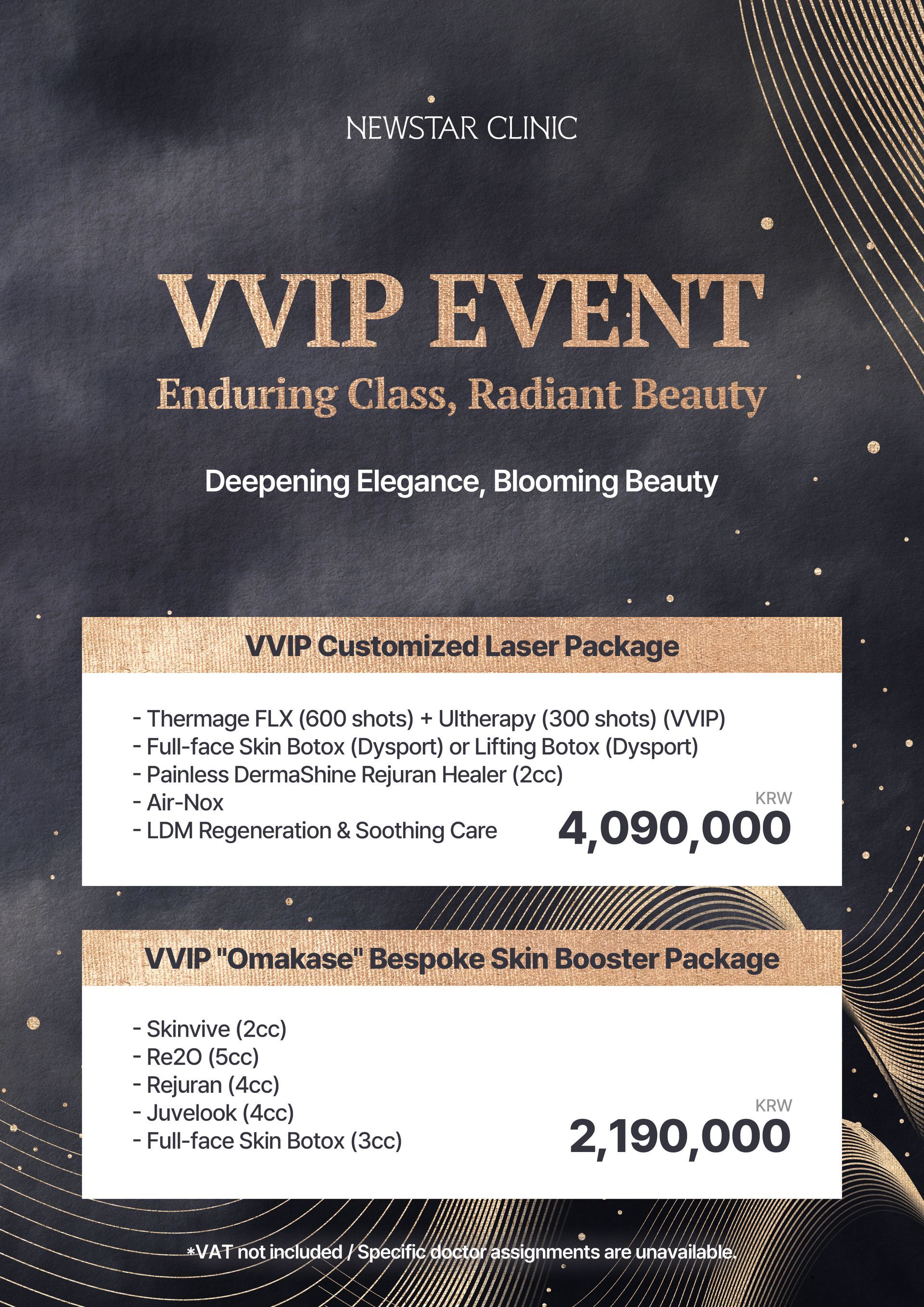
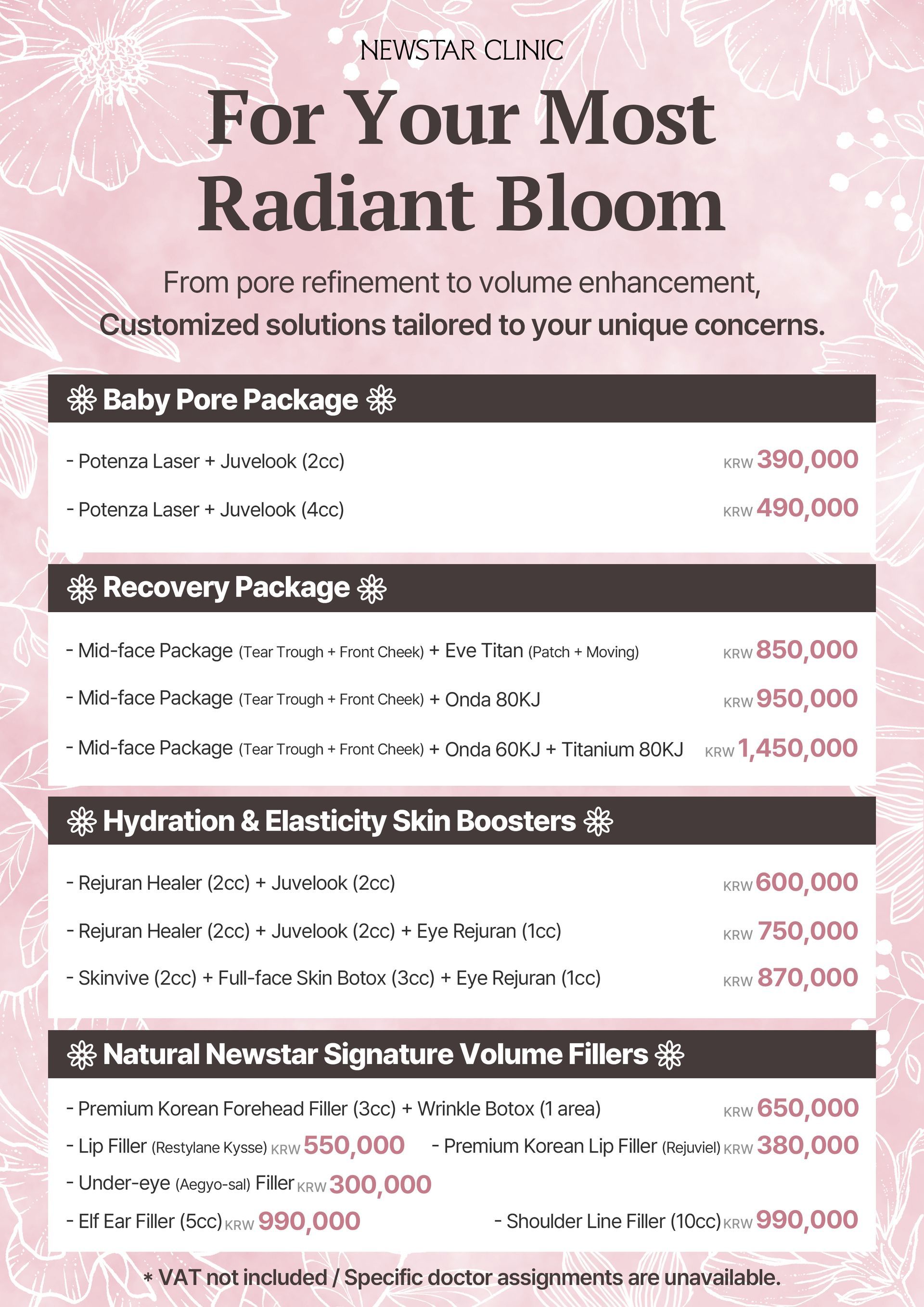
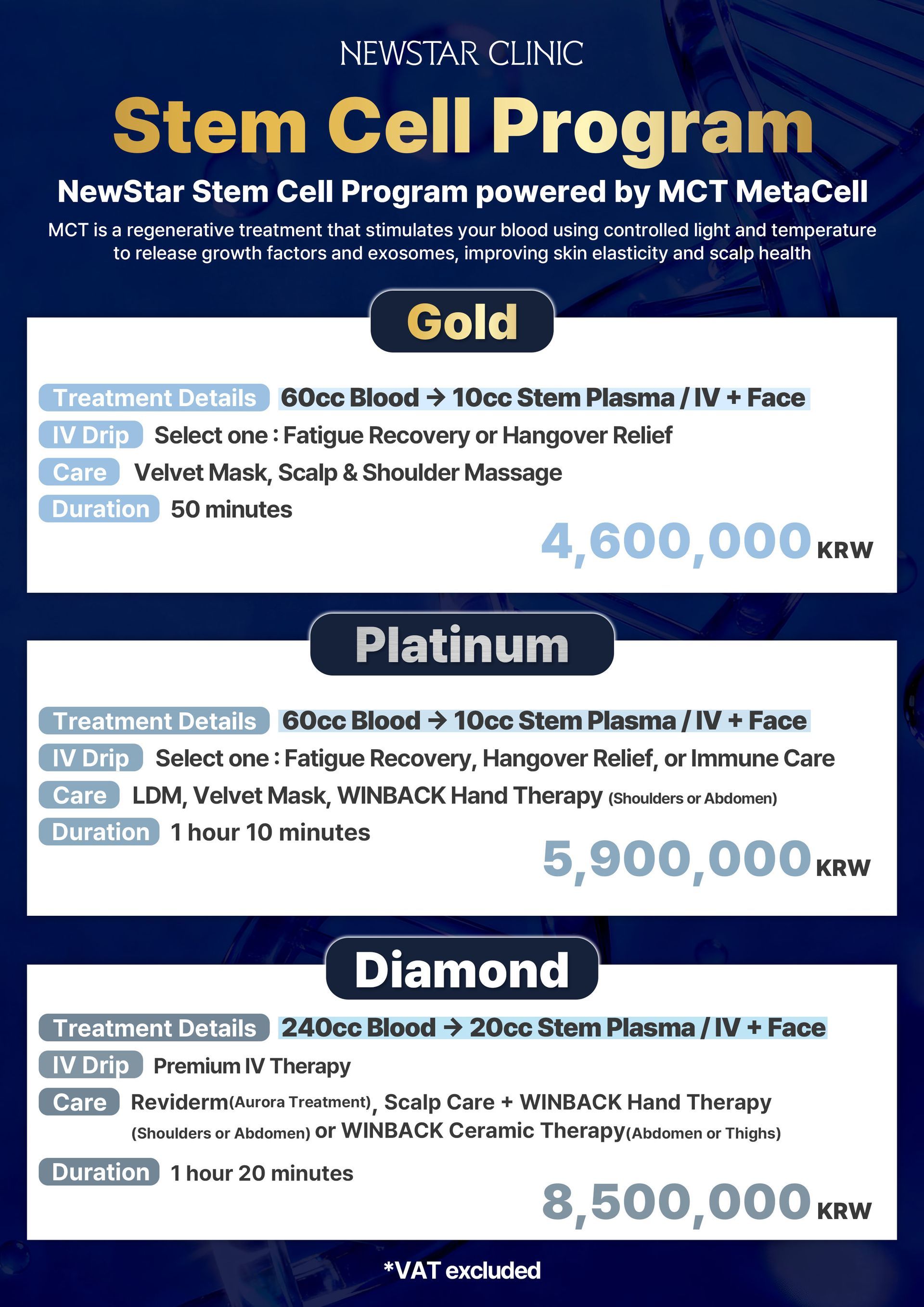
For many international visitors, one of the primary drivers for planning a "beauty trip" to Seoul is the significant difference in pricing compared to the United States. While both countries offer high-quality aesthetic services, the financial structure of the industry varies greatly, leading to substantial savings for patients choosing to undergo treatments in South Korea.
1. The Core Price Gap
On average, popular aesthetic skin treatments in Korea are 30% to 50% more affordable than their equivalents in the United States. This gap is not a result of lower quality or compromised safety, but rather a reflection of market structure, clinic density, and operational efficiency.
- Best for: Patients seeking high-value, high-frequency treatments such as laser toning, skin boosters, and maintenance lifts.
- The Reality: A treatment that might cost $800 in a major US city can often be found in Seoul for $300 to $400, offering significant savings for those on a skincare budget.
- Result: Greater accessibility to premium aesthetic technology, allowing patients to complete a full course of treatment for the price of a single session back home.
2. High Clinic Competition in Seoul
Seoul, especially districts like Gangnam and Apgujeong, has one of the highest densities of dermatology clinics in the world. This intense market saturation drives aggressive price competition, benefiting the patient.
- Best for: Finding frequent promotions and package deals that make expensive technology accessible.
- The Advantage: Because clinics are located in such close proximity, price transparency is high, and clinics are constantly incentivized to keep their pricing competitive to maintain a steady patient volume.
- Result: Lower out-of-pocket costs for the patient without the need to sacrifice professional care or safety.
3. Local Manufacturing of Technology
A significant portion of the lasers and injectables used in Korean clinics are manufactured or developed domestically. This removes the heavy import taxes, licensing fees, and distributor markups that inflate the cost of the same equipment in the United States.
- Best for: Accessing world-class devices like Potenza, Shurink, or local toxins/fillers at a fraction of the cost.
- The Benefit: By sourcing materials and machines regionally, clinics reduce their overhead costs, which is directly reflected in the lower price tags for the end user.
- Result: You receive the same—or sometimes newer—technology as you would in the US, but without the premium "import" markup.
4. Treatment Volume and Efficiency
The business model of a Korean skin clinic is fundamentally different from the US model. In Korea, aesthetic treatments are often viewed as routine maintenance, similar to a haircut or dental cleaning, rather than a luxury event.
- Best for: Patients who appreciate fast, efficient, and streamlined experiences.
- The Strategy: Clinics are designed for high patient throughput, with standardized, efficient protocols that allow doctors to perform more treatments per day, lowering the cost per session.
- Result: You can undergo professional-grade procedures in a 30 to 60-minute "in-and-out" session that is significantly less expensive than a slower, more consultation-heavy US appointment.
5. Bundled Pricing vs. Itemized Billing
In the United States, patients are often billed for a variety of individual items, including the surgeon/doctor fee, facility fee, anesthesia, and medication. Korean clinics typically offer a more simplified, all-inclusive pricing structure.
- Best for: Transparent budgeting, as the quote you receive usually covers the procedure, basic anesthesia, and initial post-op care.
- The Advantage: There is rarely a surprise "facility fee" or hidden cost at the end of the appointment, making it much easier to plan your trip financially.
- Result: A simplified, predictable payment process that avoids the complexity and frustration of itemized US medical billing.
6. Maintenance-Based Cultural Approach
Because skincare is part of daily culture in Korea, the pricing model is built around ongoing maintenance rather than expensive "one-off" fixes. Many clinics offer monthly programs or package deals that encourage consistent care at a discounted rate.
- Best for: Patients looking to invest in their long-term skin health rather than just a quick cosmetic fix.
- The Strategy: By committing to a multi-session plan, patients can often secure pricing that is significantly lower per visit than what a US clinic would charge for the same individual session.
- Result: Better long-term skin quality and stability, supported by a cost-effective, consistent treatment regimen.
7. Global Standards of Quality
It is important to note that lower prices in Seoul do not equate to lower standards. Korean dermatologists undergo rigorous training, and clinics are subject to strict health and safety regulations, ensuring that international patients receive care that meets or exceeds global expectations.
- Best for: Patients who want premium aesthetic outcomes without paying the high overhead costs typical of the US medical system.
- The Reality: You are paying for the procedure itself, not the expensive insurance premiums, marketing markups, or administrative overheads that dominate the US cosmetic industry.
- Result: A high-quality, high-value experience that maximizes your aesthetic investment.
Final Thoughts
When comparing skin treatments between Korea and the USA, the difference comes down to the efficiency and competitiveness of the market rather than the quality of care. Choosing Seoul allows you to access world-class technology and expertise at a fraction of the cost, making it a highly attractive destination for those seeking a flawless complexion and professional body contouring without the premium price tag. With a bit of research, you can enjoy a superior aesthetic experience that respects both your beauty goals and your budget.